

Maximizing ChatGPT's Potential: A Guide to Chatbot Plugins
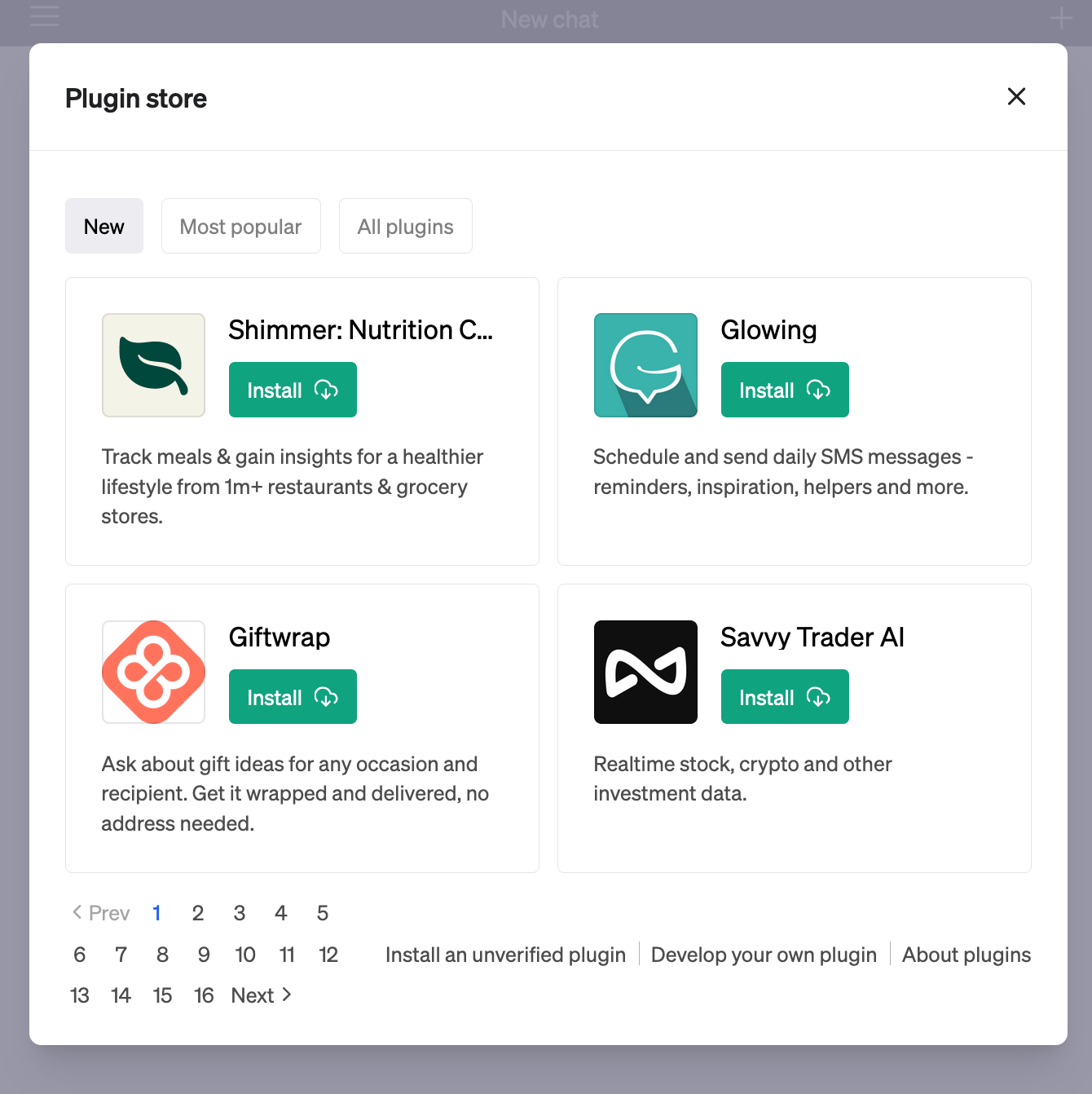
Chatbots have become an fundamental part of our digital landscape. As Artificial Intelligence (AI) technology advances, chatbots have evolved to provide more personalized and engaging experiences. OpenAI's ChatGPT, with its ability to generate human-like responses, has gained significant popularity among developers and businesses alike.
But how can we truly maximize the capabilities of gpt-3? The answer lies in the use of chatbot plugins. Plugins are powerful tools that enhance ChatGPT's functionality, enabling it to perform a wide range of tasks and provide a better consumer experience. In this article, we will explore the world of chatbot plugins and find how they can unlock the full potential of ChatGPT.
What are Chatbot Plugins?
Bot plugins are additional software components, modules, or applications that extend the capabilities of a chatbot system like ChatGPT. They enable developers to customize and expand the functionalities of the chatbot according to specific needs and standards. Plugins can range from simple text formatting tools to more advanced features, such as integrating external APIs, accessing databases, or performing complex calculations.
Why Use Chatbot Plugins?
Chatbot plugins offer numerous benefits in maximizing ChatGPT's potential. Here are some key advantages:
1. Amplified Functionality: Plugins enable developers to add new aspects and functionalities to ChatGPT. This allows the chatbot to perform tasks beyond the scope of its default capabilities.
2. Personalization: Plugins allow developers to customize the chatbot's conduct, appearance, and responses. This helps create a personalized person experience and strengthens the bond between the user and the chatbot.
3. Improved User Experience: Plugins can enable ChatGPT to have better chat flows, perform actions more efficiently, and provide relevant information. This enhances the overall user experience and increases user delight.
4. Time-saving: By leveraging existing plugins, developers can save time and effort by not reinventing the wheel. Many common functionalities, such as natural language processing and sentiment diagnosis, already have readily available plugins.
Popular Chatbot Plugins:
Let's explore some popular sorts of chatbot plugins that can support maximize ChatGPT's potential:
1. NLP (Natural Language Processing) Plugins: These plugins enable ChatGPT to understand and interpret user inputs more accurately. They use NLP techniques to extract meaning from sentences, identify intent, and provide suitable responses.
2. Sentiment Analysis Plugins: Sentiment analysis allows ChatGPT to understand the emotional tone of person inputs. Plugins for sentiment analysis enable the bot to respond empathetically and adapt its tone accordingly.
3. External API Integration Plugins: These plugins connect ChatGPT with exterior APIs, enabling access to numerous services and data sources. For example, integrating a weather API can enable the bot to provide real-time weather information.
4. Content Generation Plugins: Content era plugins can be used to generate dynamic responses tailored to specific user queries or requests. They ensure that ChatGPT provides related and meaningful data to users.
5. Analytics and Reporting Plugins: These plugins allow developers to track usage metrics, analyze consumer feedback, and generate reports. This insight can assistance optimize ChatGPT's performance and identify areas for improvement.
Implementing Chatbot Plugins:
Today that we understand the importance of chatbot plugins, let's discover how we can implement them effectively with ChatGPT:
1. Research and Select Wisely: Before integrating plugins, thoroughly research obtainable options and choose the ones that best align with your chatbot's objectives. Consider factors such as compatibility, dependability, and support.
2. Plan Integration Strategy: Create a clear roadmap for integrating plugins with gpt-3. Judge on the order of integration and ensure compatibility between different plugins to avoid conflicts or performance points.
3. Test and Iterate: Once integrated, completely test the plugins to ensure they work as expected. Gather feedback from users and continuously iterate and improve based on their input.
4. Regular Updates: Keep an eye on plugin updates and improvements. Regularly update your plugins to ensure compatibility with ChatGPT's latest versions and take advantage of novel features or bug fixes.
In Conclusion,
Chatbot plugins offer a plethora of benefits in maximizing ChatGPT's potential. By enhancing functionality, personalizing user experiences, and improving efficiency, plugins enable developers to unlock the full power of ChatGPT. When implementing plugins, it is crucial to choose wisely, plan integration carefully, and continuously iterate based on user feedback. With the best selection and integration, chatbot plugins can take your ChatGPT-powered chatbot to new heights in phrases of usability and person satisfaction.
ChatGPT and Virtual Assistants: Expanding Capabilities with Plugins
In recent years, virtual assistants have become an integral part of our daily lives. They are designed to assist us with alternative tasks, such as answering questions, offering information, and even helping with personal organization. One such digital assistant that has gained immense recognition is ChatGPT.
ChatGPT is an advanced conversational AI model developed by OpenAI. It harnesses the power of deep learning to generate text-based responses that closely resemble human-like conversation. This cutting-edge expertise has revolutionized the way we interact with virtual assistants, making our interactions more natural and intuitive.
However, as impressive as ChatGPT is, it has a finite set of superpowers determined by its training information and programming. To overcome this limitation, OpenAI has launched the concept of plugins. Plugins act as additional modules that can enhance the functionality of ChatGPT. They allow builders to add specific features and expand the capabilities of the digital assistant to cater to varied user needs.
With the introduction of plugins, ChatGPT can now perform a wide range of tasks outside its initial capabilities. For instance, developers can create plugins that enable the virtual assistant to perform language translation, image recognition, sentiment analysis, and even play interactive games. This opens up a world of possibilities for users, making their virtual assistant experience even more enriching and productive.
The use of plugins has also made customization and personalization of virtual assistants more accessible. Customers can now choose what plugins to install based on their particular requirements. This flexibility empowers individuals to tailor their virtual assistant's capabilities according to their preferences, guaranteeing a more custom and efficient user experience.
Moreover, the plugin ecosystem allows builders to contribute and collaborate, thus fostering innovation and expanding the capabilities of ChatGPT even further. With an open-source approach, developers can create and share their plugins, enhancing the neighborhood to benefit from a limitless array of plugins, each addressing different use cases. This collaborative effort promotes the continuous growth and improvement of virtual assistant technology.
Nevertheless, as with any technological development, there are certain considerations to keep mindful of when it comes to utilizing plugins. The quality and security of plugins are crucial factors to ensure a easy and safe user experience. A thorough vetting process is essential to ensure that plugins are reliable, reliable, and deliver the promised functionalities. OpenAI has already implemented guidelines and documentation to assist developers in creating high-quality plugins while adhering to ethical standards and best practices.
Another consideration is the stability between plugin capabilities and the performance of the digital assistant. While plugins provide an extensive vary of functionalities, they may also contribute to increased resource consumption. It is important to strike a balance between functionality and performance to ensure optimal user experience without compromising performance and responsiveness.
In conclusion, the introduction of plugins in ChatGPT has elevated the capabilities of virtual assistants to a whole new point. With the ability to add specialized features and functionalities, users can now customize their virtual assistant experience to suit their unique needs. The plugin ecosystem also promotes collaboration and innovation, ensuring a continuous expansion of capabilities.
As technology continues to advance, we can expect virtual assistants to become even more versatile and indispensable in our daily lives. With the power of plugins, ChatGPT and its counterparts will doubtless transform into highly adaptable and personalized companions capable of fulfilling a wide range of tasks and providing unprecedented help to users worldwide.